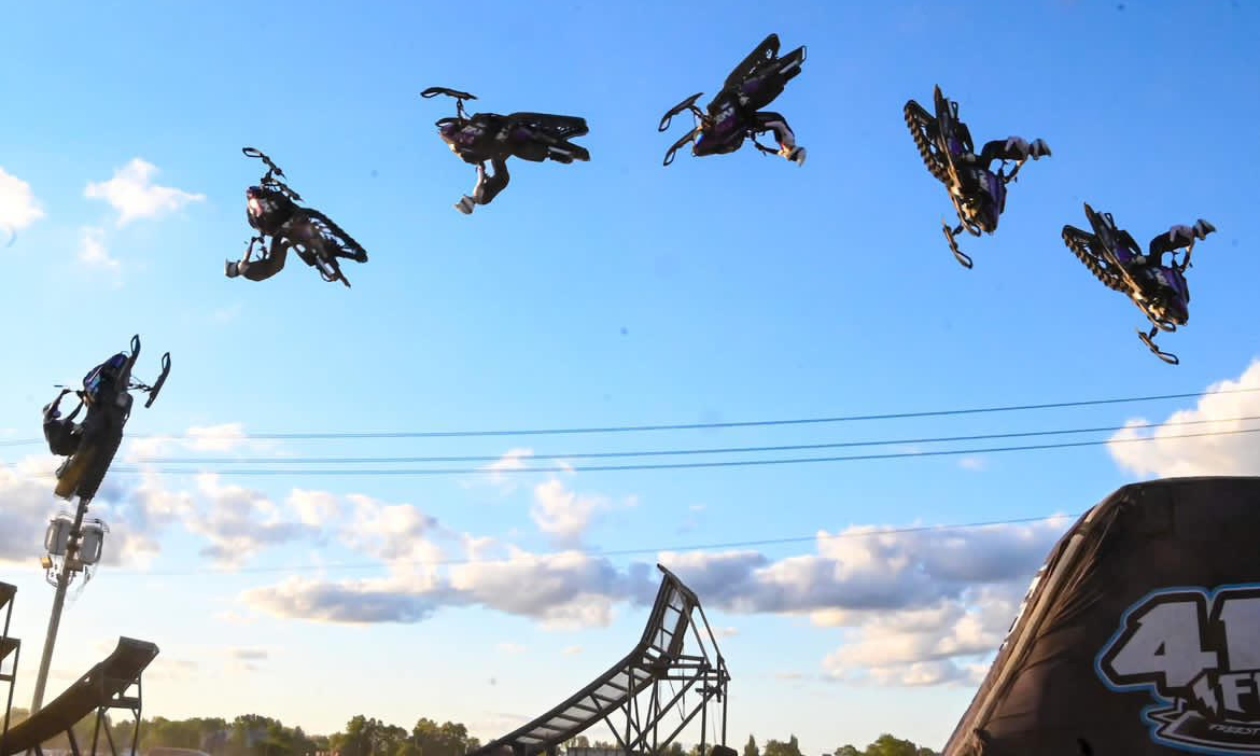
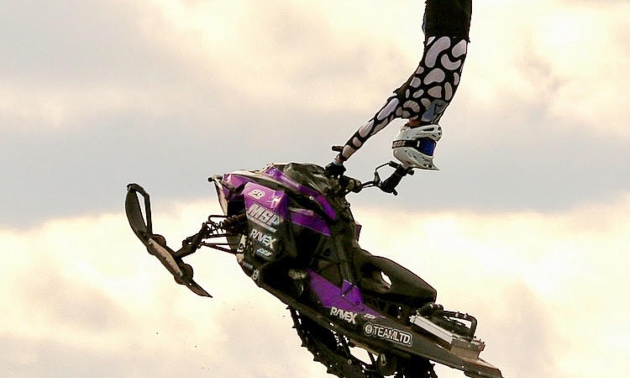
Ten years ago, SnoRiders highlighted a young ramp rider named Chris Coosemans who had a simple goal: land a few sponsors and make it into some shows. Even then, it was clear that he was building toward something bigger. A decade later, that long-game mindset has carried him to the biggest stage in action sports: the Winter X Games.
Coosemans describes his climb as gradual—years of blue-collar work, self-built ramps, late invites, short prep windows, injuries, and mental stamina. We caught up with him to talk about the journey, the pressure, and what chasing the gold looks like now.
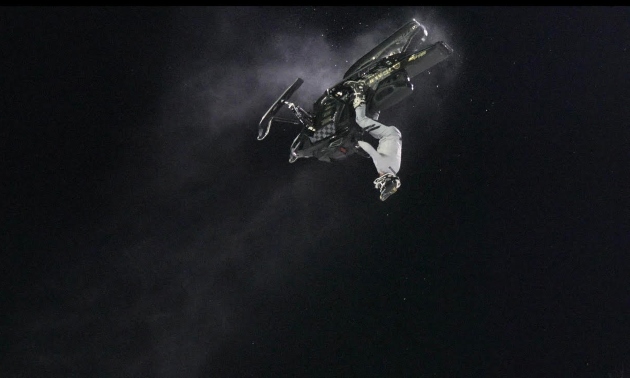
Ten years ago, you said your dream was to get sponsors and be in a couple of shows. Now you’ve competed in the Winter X Games. What did that accomplishment feel like?
Ten years is a long time, so to me it feels like a very gradual climb to that level, but conversations like these always put it into perspective for me that I did end up reaching that goal or dream I had 10+ years ago.
Can you tell us about your experience at the X Games?
I went into X Games with a mindset to enjoy the weekend to its full potential, and just take notes on the overall experience so I can know what to expect for next year, such as level of training, schedules, logistics, etc. I think I hit that nail on the head, there are some things that I think will make 2027 an even better experience
What did the preparation process look like leading up to the event?
With this being the first year of motorsports back in the X Games since COVID-19, and it only being announced in October, it was still a question whether I would get the invite or not. With my busy work season running into December when I finally got my invite, I only had roughly five weeks to build my sled, setup my ramp equipment, and practice as much as possible all while being weather-dependant. By the time I started practicing, it was a very ‘jump into the deep end’ approach, as I focused on big tricks rather than perfecting the ones I already know.
What part of the experience challenged you most—physically or mentally?
Both mental and physical strength were tested. I dislocated my shoulder one week before the competition, and with the elevation added to that, it was definitely tough during some of the longer practice sessions. Mentally I was all over the place, even if you’re at the top level and on your A-game, it’s a very mentally exhausting sport. But I’m also living my life-long dream, in Aspen, Colorado. How can you be stressed out about that??
What’s something people watching at home would never realize about competing at that level?
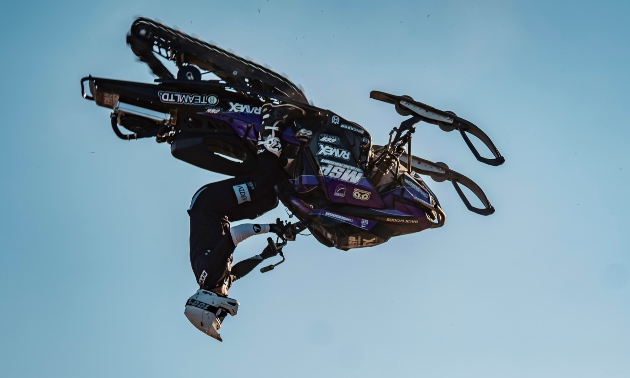
I think one of the biggest “behind the scenes” surprises to viewers at home, is that almost every one of us has a full-time, blue-collar job. We all work on our own sleds, build our own ramps, set up our own compounds with equipment. It’s a very labour intensive sport, which adds up to roughly 80% work for 20% riding time.
Was there a single turning point that shifted you from “local ramp rider” to elite competitor?
My path from local kid to professional athlete may be a little different than others. I wouldn’t say there was a turning point, but it seemed as soon as I started doing backflips at home, I got invites to demonstration shows, and it has slowly built from there. But dont be fooled, I’m still the local kid and still feel like it too!
Did you always believe you’d get here, or did it surprise even you?
Fascinated, yes, not so much surprised. In the back of my head I always knew, even since I was a little kid. I always had that vision, and every path and decision I made had to end up with me holding an XGames medal. It didn’t seem optional for me. Maybe that’s the reason I’ve made it this far, and hopefully the reason I can end up achieving that
Has your riding style changed over the past decade?
I would say my riding style has changed just in the sense of learning more/bigger tricks, and I would say there are things that i’m more picky about with the sled or ramp setup, and others that I’m less picky about, but I’ve always liked to have a lot of flow and style to my tricks. If I cant get it fully extended or stretched out, I dont like doing it!
In 2016 you were recovering from your first major injury—how did that experience shape the athlete you are now?
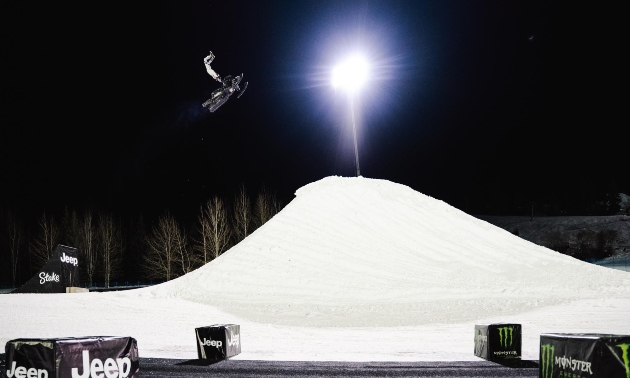
My injury in 2015/16 definitely had an impact on how I do things now, not so much physically, but being more calculated with the process of trying new ramps, different sled/settings, riding for the first time in a while etc.
What role does mental recovery play compared to physical rehab?
I mentioned this earlier, but mental strength is just as, if not more important than physical in this sport. In the early stages of an injury it can get super depressing and unmotivating, but you have to flip that switch as fast as you can and be more motivated than you were before the injury, because your physical rehab is a direct product of your mental strength.
Has competing at a global level changed how you view community within the sport?
It definitely changed how I view the way things work in this sport, however the sport is also rapidly changing as the years go by as well. Competitors used to be full-time athletes and there was alot of money going around in sponsors etc, which is followed by a lot of politics in the sport. We’re reaching a phase where some of those politics are still around, but slowly making their way out due to being such a small sport.
What motivates you now?
I think my biggest motivator right now is getting that taste of X Games, especially only being an alternate for the freestyle competition and watching from the sidelines, I’ve never wanted that gold medal more in my life!
What are your hopes and dreams for the next ten years?
I hope if I can continue this focus on the X Games gold medal, it’s something that will come naturally like the rest of my successes in this sport. Maybe I’ll have a couple medals to show off for my next SnoRiders interview in 10 years!